
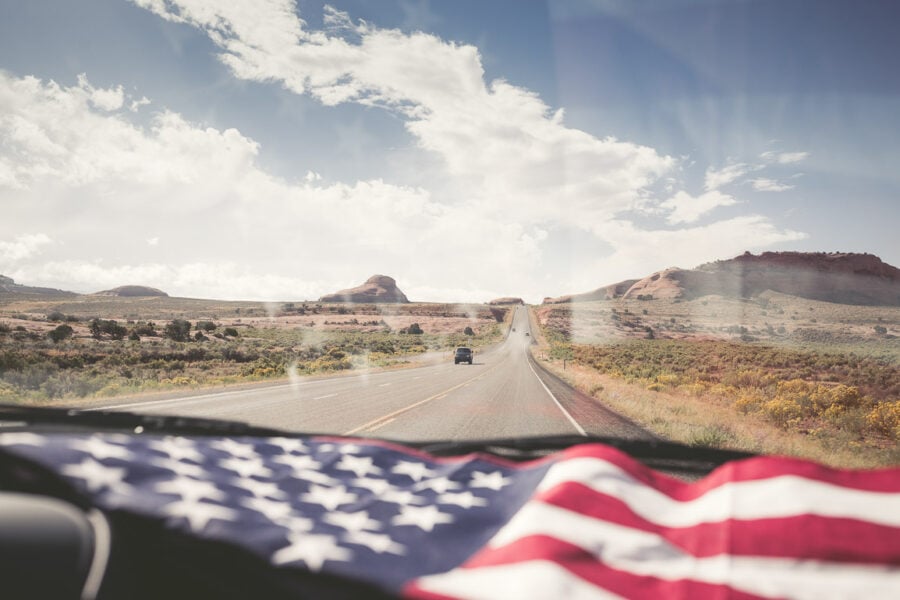
There are few adventures quite like a US road trip. Whether you’re driving California’s Pacific Coast Highway, exploring Utah’s national parks, crossing the Rockies, or cruising Route 66, staying connected can make the experience smoother, safer, and far more enjoyable.
From navigating remote highways and booking last-minute campsites to uploading photos from Yosemite or finding the nearest coffee shop with decent Wi-Fi, reliable mobile data has become an essential part of modern backpacking.
After years of traveling full-time, I’ve learned that relying on airport Wi-Fi or expensive international roaming plans simply isn’t worth it. Fortunately, eSIM technology has made staying connected in the USA incredibly easy.

Why You Need Mobile Data on a US Road Trip
Many first-time visitors underestimate just how vast the United States is. You’ll regularly drive through areas with no towns for hours, and public Wi-Fi isn’t always available when you actually need it.
Having reliable mobile data means you can:
- Navigate with Google Maps or Apple Maps
- Find gas stations and restaurants nearby
- Book accommodation on the go
- Keep friends and family updated
- Access emergency information
- Work remotely from cafés or campgrounds
- Upload travel photos and videos without hunting for Wi-Fi
If you’re traveling from overseas, avoiding international roaming charges alone can save hundreds of dollars.

Why I Recommend Using an eSIM
An eSIM lets you activate a mobile data plan digitally without removing your existing SIM card.
Instead of searching for a local SIM card after landing, you simply purchase a plan online, install it in minutes, and you’re connected as soon as you arrive.
The biggest advantages include:
- No physical SIM cards
- Keep your normal phone number active
- Instant activation
- Easy top-ups
- Multiple data plans stored on one phone
- Ideal for multi-country trips
Most newer iPhones, Google Pixel phones, Samsung Galaxy devices, and many other modern smartphones support eSIMs.

Why Yesim Is Worth Considering
If you’re looking for a simple option before your US road trip, take a look at Yesim eSIM for USA.
According to Yesim, the service offers eSIM plans covering more than 200 destinations worldwide, including the United States. Installation takes just a few minutes through the app, and travelers can choose from fixed data plans, unlimited options, regional plans, and flexible pay-as-you-go plans depending on their travel style. Yesim also advertises automatic network selection, hotspot support, and 24/7 customer support.
For backpackers combining the USA with destinations like Canada or Mexico, regional and global plans can also reduce the hassle of changing SIMs between countries.

Tips for Staying Connected During Your Road Trip
Download Offline Maps
Even with excellent coverage, you’ll occasionally drive through areas with weak signal—especially in national parks.
Download offline maps before leaving larger cities.
Keep Your Physical SIM Active
One advantage of eSIM technology is that you can often keep your home SIM active for receiving texts while using your eSIM for affordable mobile data.
Carry a Car Charger
Navigation apps and constant GPS use drain batteries surprisingly quickly. A quality USB-C or MagSafe car charger is well worth packing.
Use Personal Hotspot
Many eSIM plans support tethering, allowing you to connect your laptop or tablet while working remotely from cafés, cabins, or campgrounds. Check your chosen plan’s specific terms before relying on this feature.

Where You’ll Appreciate Having Mobile Data Most
Some of my favorite US road trip regions where reliable internet makes life easier include:
- California Highway 1
- Yosemite National Park
- Zion National Park
- Bryce Canyon
- Grand Canyon
- Monument Valley
- Moab
- Yellowstone
- Glacier National Park
- Great Smoky Mountains
- Blue Ridge Parkway
While many of these places have excellent coverage near towns, connectivity can disappear quickly once you venture deeper into the parks.

Final Thoughts
A little planning before your trip can save you both money and frustration once you’re on the road.
Using an eSIM means you can land in the United States with internet ready to go, avoiding airport SIM kiosks, expensive roaming fees, and unreliable public Wi-Fi. If you’re looking for a straightforward option, Yesim is one provider worth considering thanks to its worldwide coverage, flexible plans, and easy app-based setup.
Whether you’re road-tripping for two weeks or spending several months backpacking across America, having reliable mobile data lets you spend less time worrying about connectivity—and more time enjoying the journey.
