
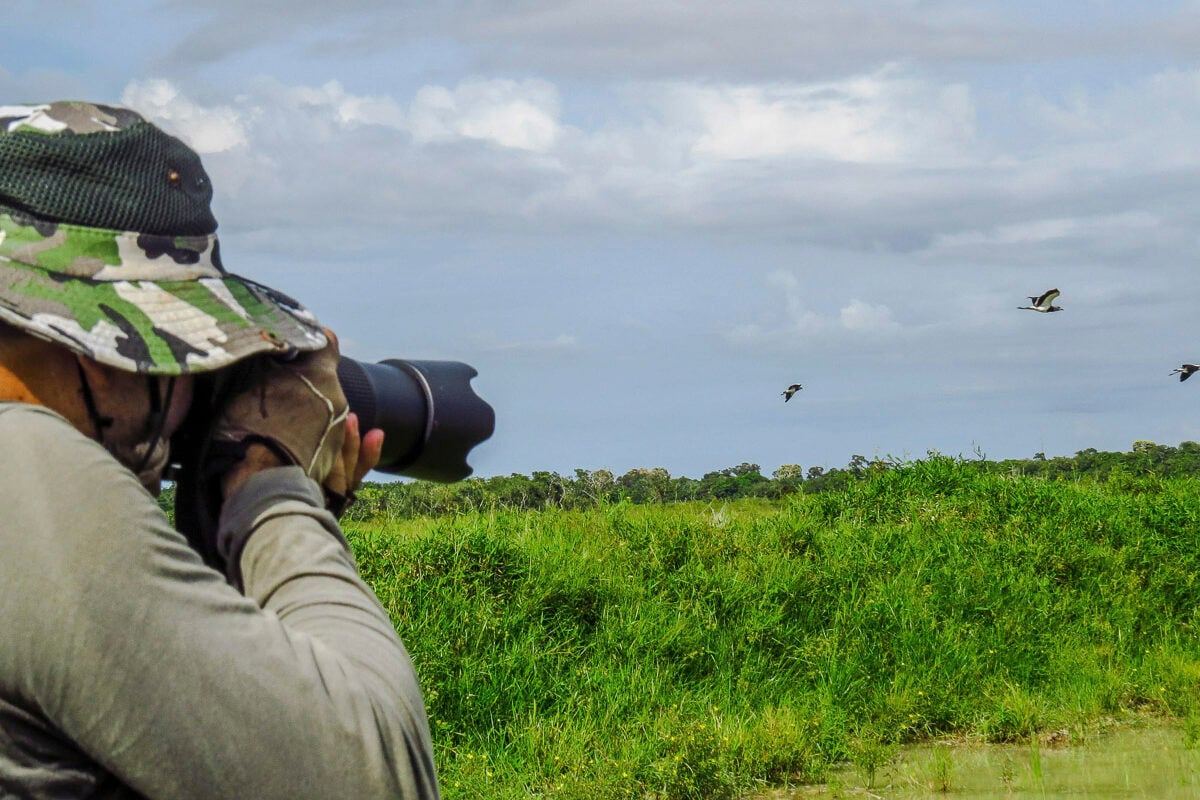
From the mighty peaks of the Andes to the low coastal wetlands, the continent of South America presents a massive array of birdwatching destinations.
Rare endemics to distant migratory species are spread across each country, and birding in South America is so diverse that it is a challenge to narrow down the options from one ecosystem to another.
The islands, deserts, and dense jungles are home to as many as 3,500 species, the highest of any continent and a dream for every bird lover.
Here is a list of some of the best birdwatching destinations south of the equator for a bird-spotting adventure like no other. With Naturetrek, you can book hassle-free luxury wildlife holidays and enjoy birding in spectacular spots across the globe.

Mountains of Colombia
Colombia birding is known for its incredible varieties of hummingbirds and tanager species, found mostly in the Llano, Chocó, and the cloud forests of the Western Andes in the Cali and Santa Marta hotspots.
The most sought-after bird species here are the Multicolored Tanager and the Colombian Chachalaca, mostly found in the forests of San Antonio.
The mountains of Santa Marta, which are separate from the Andes, are one of the highest coastal mountain ranges in the world and boast over 20 endemic species like the Santa Marta Parakeet and the Santa Marta Warbler.
The Perijá Mountains, an isolated range in the Eastern Andes, hold an amazing range of endemics, even though they are one of the least explored areas in Colombia.
Some of the sought-after endemics found here are the White-Tipped Quetzal, the stunning Golden-Breasted Fruiteater, and the Rosy Thrush-Tanager.
Even a cursory visit can turn up specialties like the Rufous Spinetail and the Yellow-Breasted Brushfinch. The road that reaches this region is home to the Rufous-Chested Chat and Paramo Seedeater.
Los Besotes is also part of the Santa Marta range and has around 210 bird species, including the Military Macaw, Vermilion Cardinal, and the striking Blue-Billed Curassow.
Rainforests, Mountains, and Savannahs of Guyana
The untouched wilderness of Guyana gives you access to an impressive variety of birdlife in some of the least-visited regions of South America, largely with small scattered populations.
The Iwokrama National Park is located in the heart of the country and is spread over nearly one million acres of central rainforest.
Besides hundreds of species, you can especially spot the Crimson Fruitcrow, Harpy Eagle, and the Blue-Cheeked Parrot while canoeing across the Essequibo River. The canopy walkways are ideal for seeing Guianan Toucanets and Hoatzins.
Another biologically diverse region for birding is the Kanuku Mountains, which are the stronghold of the rare Sun Parakeet, Scarlet Macaws, and the Guianian Cock-of-the-rock, among others.
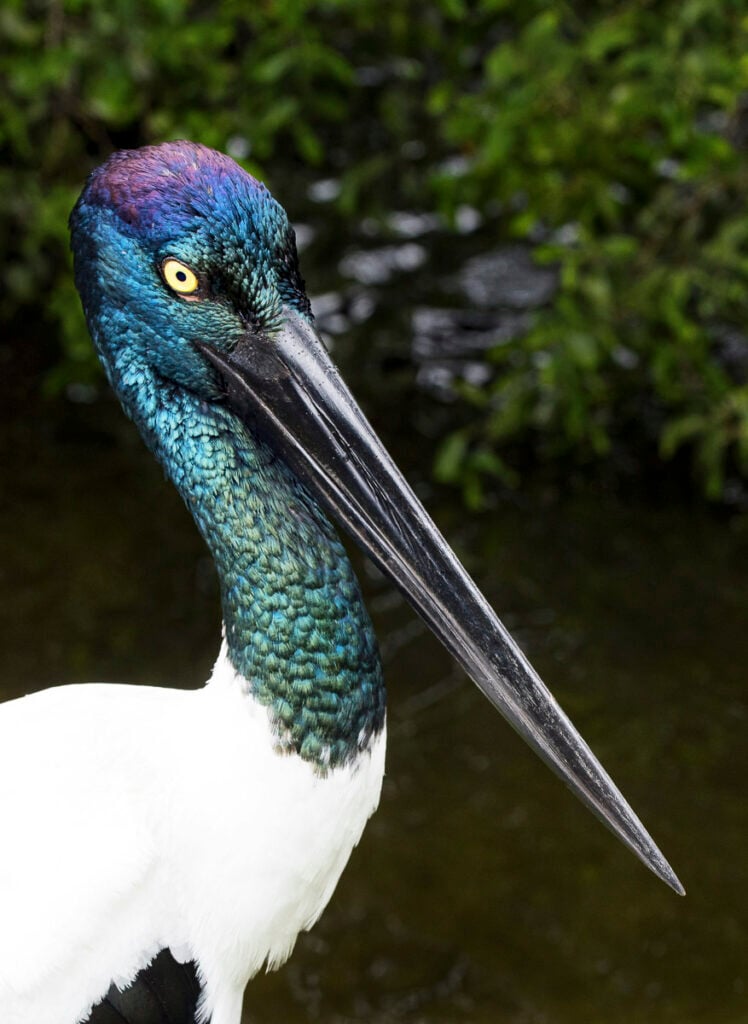
The savannahs of Rupununi offer a different environment of expansive grasslands and river systems that are home to species like the Red-Legged Tinamou, Jabiru Stork, and the Double-Striped Thick-Knee.
During the rainy season, the wetlands attract waterbirds like the Muscovy Duck, Anhingas, and the occasional Agami Heron, besides parrots and ibis, with many raptors hovering in the skies.
Galápagos to the Cloud Forest, Ecuador
From the mainland’s Andean peak region to the cloud forests, birdwatching options in Ecuador are large and varied. These areas are highly accessible, combining exceptional birding and local hospitality.
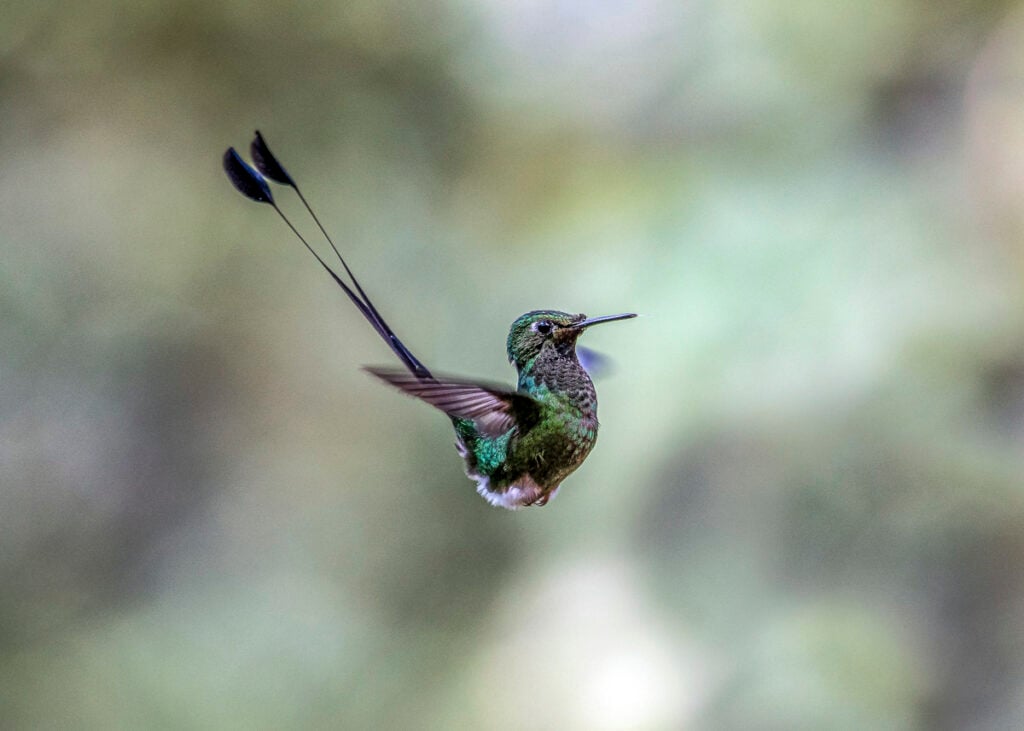
Just two hours from Quito is the Mindo Cloud Forest, home to over 450 bird species like the spectacular Andean Cock-of-the-rock, many species of tanagers, and hummingbirds, including the Violet-Tailed Sylph.
In the southern part of the country is Podocarpus National Park, which offers great opportunities for cloud forest and páramo environment birding.
Of the 560 bird species recorded here, rarities often seen include the Torrent Duck, Bearded Guan, and the Masked Mountain Tanager. The Rio Bombuscaro region is noted for its high range of endemics.
Many birdwatching destinations across South America are also seeing growth in the commercial food sector, with eco-lodges, rainforest cafés, and local dining spaces offering regional cuisine to international travelers. These food-focused hospitality areas enhance the overall tourism experience while supporting local communities and sustainable travel initiatives.
When you journey to the Galápagos, you will find many creatures not found anywhere else on Earth. Among the numerous endemics, the most comical is the Blue-Footed Booby, which struts its feathers to attract females.
Apart from this, you will find marine iguanas sprawled on the rocks and giant tortoises ambling across the rainforest floor.

The Pantanal, Brazil
The Pantanal in Brazil is one of the largest tropical tracts of wetlands in the world, stretching across the central part of the country.
The seasonal flooding and open landscapes have become the habitat of over 650 bird species, among them the largest parrot in the world, the Hyacinth Macaw, apart from Southern Screamers and Jabiru Storks.
Brazil’s Amazon Basin supports iconic species such as the Crimson Topaz and Harpy Eagle. The Jaú National Park and the Anavilhanas Archipelago are both easily accessible from Manaus.
From here, you can avail of boat trips across the extensive waterways in search of toucans, macaws, and antbirds, which thrive in the riverine and terra firme forests.
The Iguazú National Park, which is also located in Brazil, is better known for its famous waterfalls. However, it also supports over 400 bird species, especially the Great Dusky Swift and the Plush-Crested Jay along the well-marked trails.

Deserts and Fjords, Chile
From the landscapes of the magnificent Northern Altiplano to the Atacama Desert and the stunning fjords, Chile is an incredibly diverse country designed to meet the most particular demands of birders.
As you travel through the diverse ecosystems and habitats of the Atacama Desert towards Patagonia and Tierra del Fuego, including the impressive Altiplano, followed by a pelagic trip in the icy waters of the Humboldt Current, you will discover many endemics and all the Chilean specialties.
The contrasting environments of the world-famous Torres del Paine National Park are home to 11 endemics, among them the Chilean Tinamou, Chilean Woodstar, Moustached Turca, and Chilean Mockingbird.
The country’s other bird specialties include the Humboldt Penguin, Chilean Pigeon, Green-Backed Firecrown, White-Throated Treerunner, and Thorn-Tailed Rayadito, among many more.

Colca Canyon, Peru
Though it doesn’t garner the same attention as Machu Picchu, the Colca Canyon is the second-deepest canyon in the world and one of the country’s most breathtaking natural sites.
Located three hours north of Arequipa, there are two well-known birding hotspots here: the Mirador Cruz del Condor lookout and the Colca Valley itself.
The lookout is the real jewel in the crown, as it offers sweeping views of the Colca Canyon in both directions and the key bird found here, the Andean Condor.
A network of trails to the east of the Mirador site has plenty of grass and cactus. Here you can see the Andean Swift, White-Collared Swift, Black-Winged Ground Dove, and the Andean Hillstar.

Parting Call
South America is a great year-round birding destination for prime species like hummingbirds, toucans, and macaws.
Engaging a professional local guide is highly recommended for spotting and identifying some of the elusive species while navigating through the dense forests.