
Solo traveling can be one of the most rewarding experiences — freedom, self-discovery, and unforgettable memories. But it also comes with extra responsibility. When you’re on your own, staying safe, organised, and prepared becomes even more important. Here are seven practical tips to help you make the most of solo travel while keeping things under control and stress-free.

1. Plan Your Itinerary — But Leave Room for Flexibility
Before you head off, sketch out a rough plan. Think about the big landmarks or experiences you don’t want to miss, the cities or regions you’ll visit, and how long you’ll stay. This helps you:
- Book accommodation or transport in advance (often cheaper + less hassle).
- Have a sense of direction and budget for time and money.
- Avoid last-minute panic or confusion when you arrive somewhere new.
At the same time, leave some breathing room. Solo travel is a great opportunity for spontaneous detours — chilling in a café, taking an unexpected side-trip, or just relaxing. Being too rigid can make a trip feel like a checklist rather than an adventure.
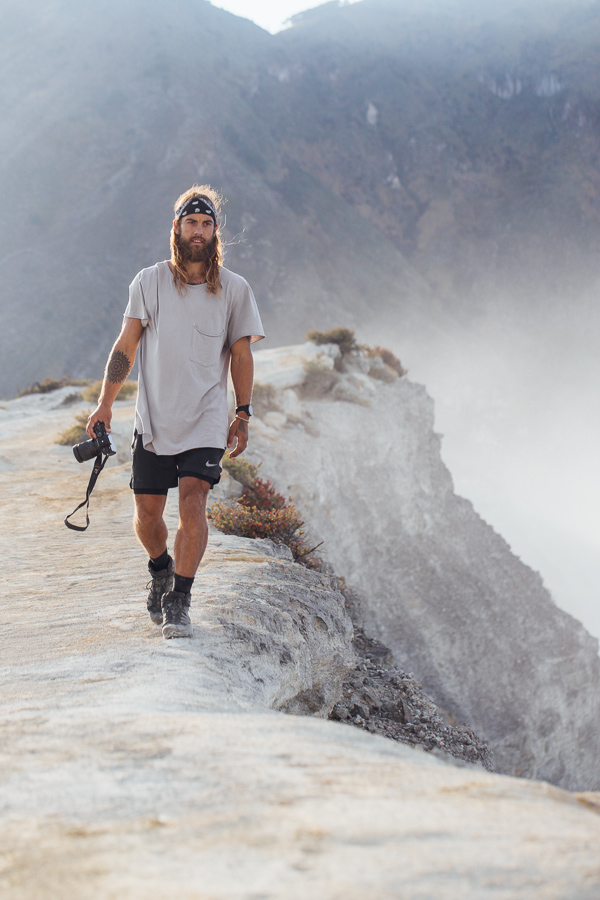
2. Keep Important Documents & Copies Safe
When you travel alone, losing your passport, travel insurance info, or booking confirmations can be a major problem. Do yourself a favour:
- Keep digital copies (e.g. scanned passport, booking receipts, travel insurance) on your phone or cloud storage.
- Also keep paper copies somewhere safe (e.g. photocopies tucked in a different bag, or printed backup).
- Share your itinerary or at least some key booking info with a trusted friend or family member — so someone knows roughly where you are supposed to be.
This simple step adds a layer of protection if anything goes wrong (lost luggage, theft, misplacement).

3. Stay Connected — Get a Travel eSIM (like Nomad) Before You Go
One of the smartest moves you can make before leaving is to get a travel eSIM — especially from a provider such as Nomad. eSIMs are digital SIM cards built into many newer smartphones; you don’t need to insert a physical card.
With Nomad eSIM:
- For example if you are visiting Paris, you can purchase a France Tourist eSIM and install it online — even before you land.
- You’ll get data connectivity in 200+ destinations worldwide, which means maps, translation apps, booking confirmations, messaging — all ready the moment you touch down.
- It avoids roaming charges and is often cost-effective compared with traditional roaming or buying multiple local SIMs in different countries.
- You can even share data across devices if needed.
- For solo travellers, being connected isn’t just about streaming or staying in touch — it’s about safety (able to call or message in emergencies), navigation and planning (using maps, public transport apps), and flexibility (booking or changing plans on the go).
- Pro tip: Check that your phone supports eSIM before your trip — most phones made in the past few years do.

4. Share Your Plans — Check-In With Someone Back Home
Traveling solo doesn’t mean you should go completely off-grid. Before you head to a new location, send a short message to a friend or family member with your plans — city, accommodation address (or at least neighbourhood), and roughly when you expect to arrive.
Then, check in with them at key moments: once you’ve landed, when you switch cities, or when plans change. This simple act can help immensely if something unexpected happens — it gives someone a rough idea of where you are and when you were last in contact.

5. Blend In — Respect Local Culture and Stay Aware
When you travel solo, you may stand out more than a group would. That doesn’t have to be a drawback — but it does matter to use common sense:
- Dress and behave in ways that respect local culture and norms.
- Stay aware of your surroundings — especially in crowded areas, tourist spots, or after dark.
- Avoid flashing expensive gear or money.
- Trust your instincts. If a place feels off or a situation seems weird, don’t ignore it — leave, change plans, find a safer alternative.
Being aware and respectful reduces the chances of standing out in ways that might make you uncomfortable, and helps you travel more confidently.

6. Pack Smart — Balance Essentials With Lightness
When you’re on your own, dragging around heavy luggage is a pain. Pack for flexibility and comfort:
- Choose a backpack or suitcase you can carry comfortably alone.
- Pack versatile clothing — layers that suit different weather or activities.
- Bring a small first-aid kit, a reusable water bottle, portable charger, and basic toiletries.
- Keep a separate “go-bag” or day-pack with essentials — passport copies, credit/debit cards, a little cash, phone/charger, and a small snack.
The goal is to make you mobile, able to move easily, and comfortable, whether you’re catching a train, wandering city streets, or hiking.

7. Stay Flexible & Open-Minded — Embrace the Unexpected
One of the best parts of solo travel is the freedom — to change your mind, follow a recommendation from a fellow traveller or local, or just linger somewhere you love longer than planned.
- Let go of rigid schedules. If you find a charming street, a friendly local, or a quiet café — don’t rush.
- Be open to meeting new people, but stay cautious. Solo travel often leads to chance encounters and awesome stories.
- Accept that sometimes things may go wrong — flights delayed, weather changes, fatigue — but that’s part of the journey. Roll with it.
Most of all: allow yourself to be surprised.
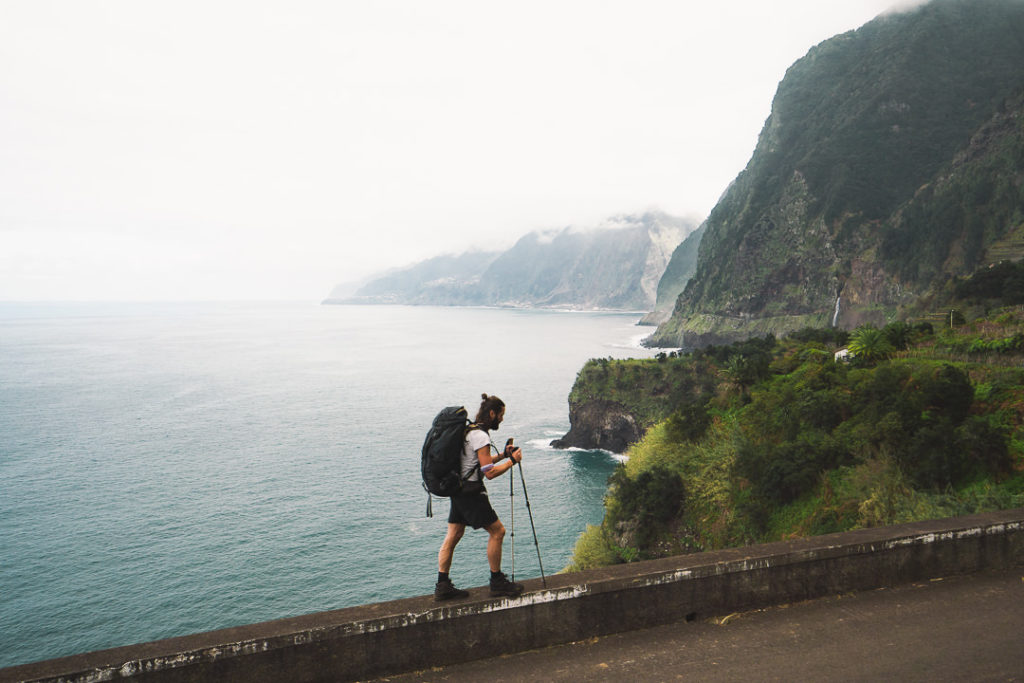
Final Thoughts
Solo travel is special. It gives you freedom, challenges, and the chance to discover a world — and yourself — in a unique way. But with that comes responsibility for your own well-being, safety, and plans.
If there’s one tip I want you to pick up above all, it’s this: stay connected & prepared. Getting an eSIM like Nomad before your trip can make a huge difference. It gives you access to maps, translation, booking systems, messaging, and help — the moment you land. In the uncertain world of solo travel, that connectivity can be a quiet, powerful kind of insurance.
So go ahead — plan smart, travel light, stay open-minded, and enjoy the adventure. The world is waiting.
